Consulenza sul Prodotto
Il tuo indirizzo email non sarà pubblicato. I campi obbligatori sono contrassegnati *

 Inglese

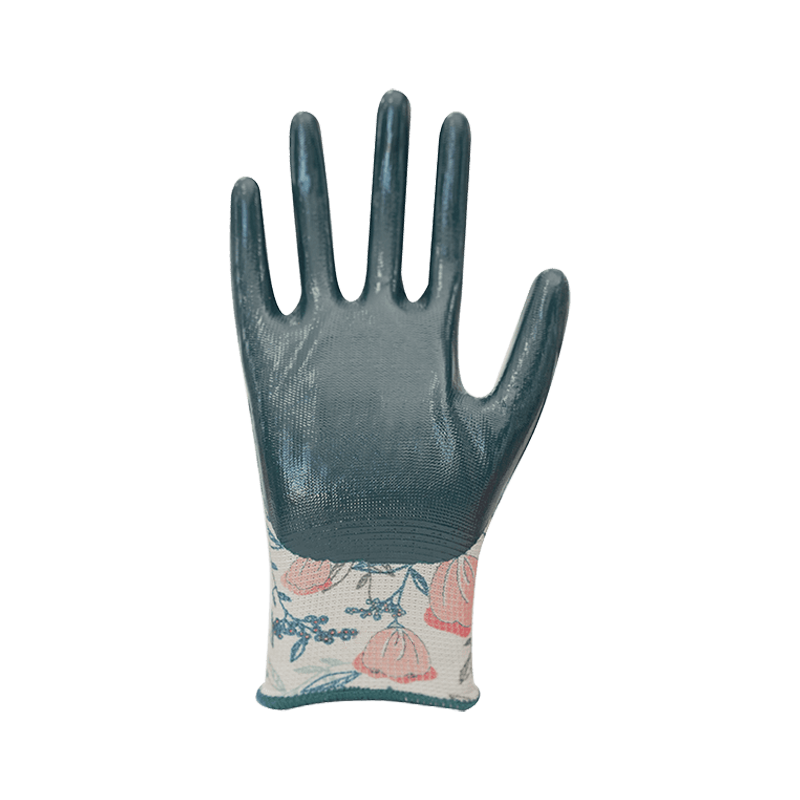
Guanti in nitrile colorati: cosa significa ogni colore e come scegliere il paio giusto
Oct 12,2026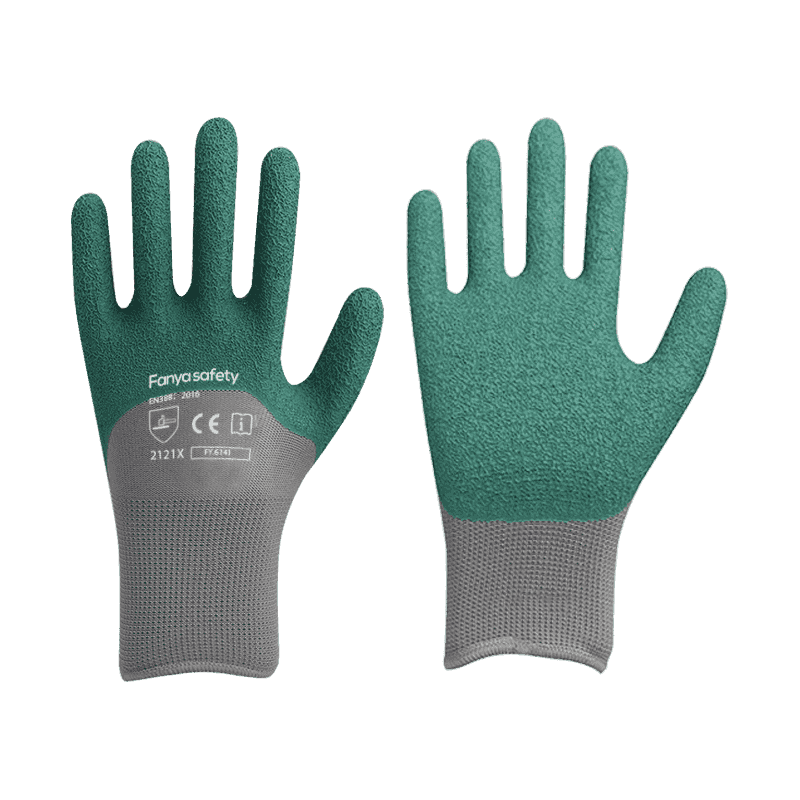
I guanti in vinile sono sicuri? Forza della barriera, rischi legati all’uso alimentare e quando scegliere diversamente
Oct 05,2026
Resistenza chimica dei guanti in nitrile: una guida pratica con tabella, valutazione e domande frequenti
Sep 28,2026
Quando cerchi guanti per uso cucina, la maggior parte dei risultati mescola guanti per lavastoviglie, guanti per la manipolazione degli alimenti e guanti resistenti al taglio in un unico elenco. Questa è la prima cosa da risolvere. Si tratta di tre prodotti diversi per tre lavori diversi. Il modo più veloce per scegliere bene è decidere a quale compito in cucina servirà il guanto, quindi restringere le opzioni in base al rivestimento, alla fodera e alla vestibilità. Questa guida spiega ogni fattore in termini semplici, incluso il significato effettivo di numeri come 13G e 18G e dove si trovano i veri compromessi.
La risposta breve: per lavare i piatti, scegli un guanto riutilizzabile rivestito in lattice o nitrile con fodera in maglia e presa sicura; per la preparazione del cibo, scegli un guanto aderente in nitrile o rivestito in PU che preservi la destrezza; per i lavori con i coltelli, scegli un rivestimento resistente al taglio con rivestimento antiscivolo. Il resto di questo articolo spiega perché e come applicare questa logica alla tua cucina, al tuo menu o alla tua routine di pulizia.
Guanti per lavastoviglie devono resistere all'acqua calda, al detersivo e alla flessione ripetuta delle dita. Hanno bisogno di una presa forte su piastre scivolose e di un polsino che mantenga l'acqua sporca lontana dagli avambracci. In una cucina affollata, lo stesso paio viene indossato per ore, quindi la fodera deve assorbire il sudore senza risultare umida.
Guanti per la preparazione degli alimenti sono indossati per maneggiare ingredienti, assemblare piatti e compiti di pulizia leggeri. Devono adattarsi come una seconda pelle in modo che chi li indossa senta ancora il cibo nelle loro mani. Il rivestimento di questi guanti deve essere flessibile e non deve irrigidirsi dopo ripetuti lavaggi.
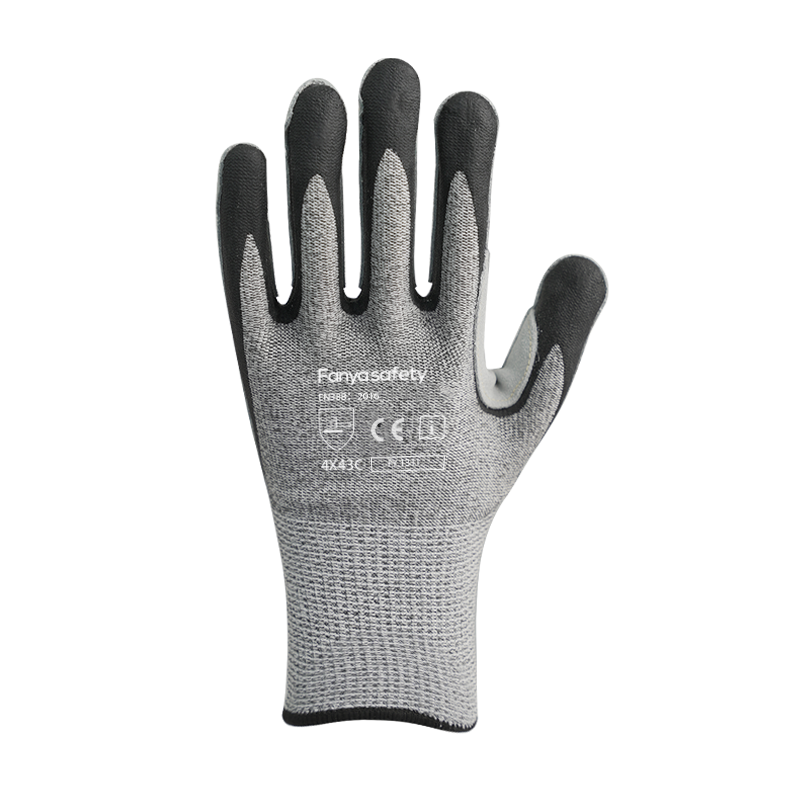
Guanti da cucina resistenti al taglio sono una categoria separata. Sono costruiti attorno a un rivestimento in maglia di HPPE, fibra di vetro o filo metallico sottile e diventano pratici in cucina solo quando un rivestimento come il nitrile espanso o il PU aggiunge presa sui manici dei coltelli, sui prodotti bagnati e sui taglieri.
| Compito della cucina | Tipo di guanto | Proprietà essenziali | Rivestimento tipico |
|---|---|---|---|
| Lavare i piatti e pulire | Guanto rivestito riutilizzabile | Resistenza all'acqua, presa sul bagnato, durata | Lattice o nitrile |
| Preparazione e manipolazione degli alimenti | Guanto rivestito aderente | Destrezza, presa, traspirabilità | Nitrile, PU o lattice |
| Tagliare e tritare | Guanto in maglia resistente al taglio | Protezione dal taglio, comfort, presa | Nitrile espanso, nitrile sabbioso o PU |
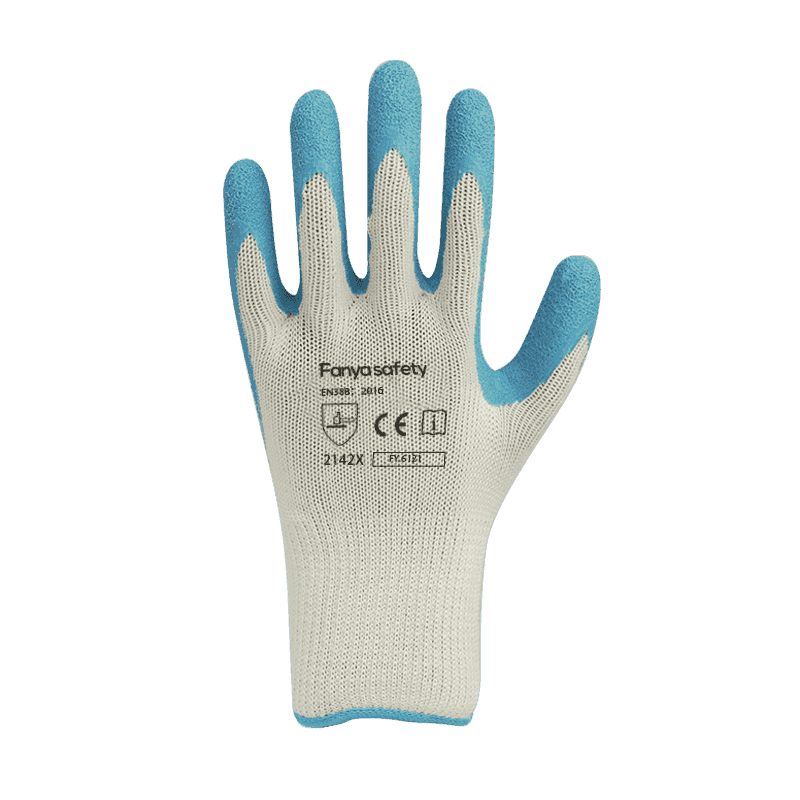
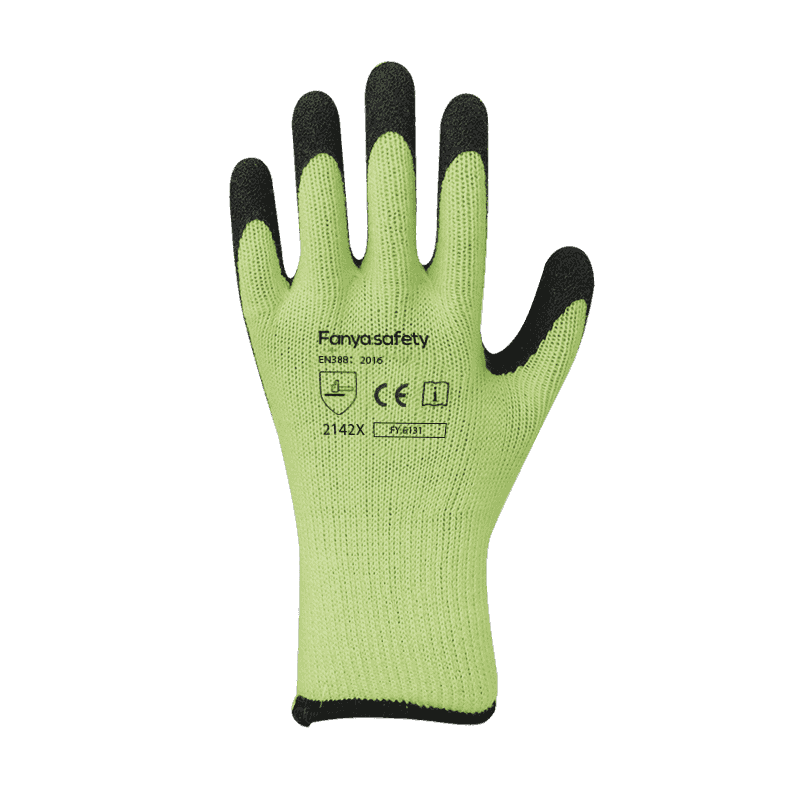
Per le attività di lavaggio e pulizia è un solido punto di partenza un guanto con fodera in poliestere 13G con rivestimento in lattice naturale . La fodera in poliestere mantiene la mano comoda in acqua calda, mentre il rivestimento in lattice fornisce la presa sul bagnato richiesta da un'affollata postazione lavandino.
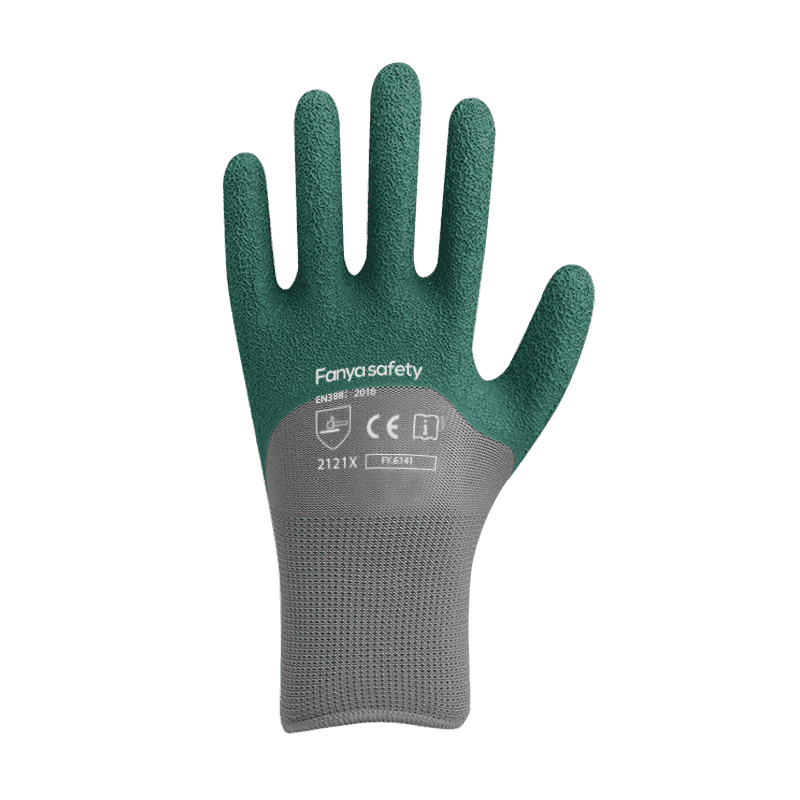 Poliestere 13G personalizzato con rivestimento in lattice Fornitori, Azienda - Jiangsu Fanya Labou Jiangsu Fanya Labor Protective Products Co., Ltd è un poliestere 13G personalizzato cinese con fornitori e società di rivestimento in lattice.Art.No.:FY.6141 Visualizza il prodotto →
 Il rivestimento è la parte del guanto che tocca effettivamente l'acqua, il grasso, il detersivo o il manico del coltello. Decide come il guanto aderisce a una superficie bagnata, quanto resiste agli oli e quanto tempo dura prima che compaiano dei fori.
Il lattice è gomma naturale. Si allunga facilmente, segue il movimento della mano e offre una presa salda su superfici lisce e bagnate. Gestisce molto bene l'acqua ed i normali detersivi per piatti. I suoi limiti principali sono il contatto prolungato con oli e solventi e il fatto che una piccola percentuale di addetti alle cucine sviluppa una sensibilità cutanea alla gomma naturale.
Il nitrile è una gomma sintetica, quindi non solleva problemi di allergia al lattice. Resiste ai grassi animali, agli oli vegetali e ai prodotti chimici detergenti meglio del lattice, il che lo rende una scelta affidabile per le mani che si muovono tra pentole unte e controsoffitti bagnati. Qui contano due versioni di superficie comuni: schiuma di nitrile ha una superficie a cellule aperte che allontana l'acqua e migliora la presa, mentre nitrile sabbioso ha una consistenza ruvida per una manipolazione asciutta e leggermente oleosa.
Il PU, o poliuretano, è un sottile rivestimento sintetico, spesso applicato come rivestimento di tre quarti. Offre il più alto livello di sensibilità al tocco nella gamma di guanti rivestiti, quindi chi lo indossa può sentire il manico di un coltello, un piatto o un pezzo di cibo senza interferenze. Il PU non è la scelta giusta per una lunga esposizione all'acqua o ad agenti chimici aggressivi; la sua forza è il lavoro di precisione.
Il PVC fornisce uno strato solido e resistente contro soluzioni detergenti aggressive. È più rigido e meno traspirante del lattice o del nitrile, quindi è adatto ai lavori di igiene piuttosto che alla linea di preparazione degli alimenti.
| Proprietà | Lattice | Nitrile | PU | PVC |
|---|---|---|---|---|
| Resistenza all'acqua | Eccellente | Eccellente | Moderato | Bene |
| Resistenza a oli e grassi | Moderato | Eccellente | Moderato | Bene |
| Aderenza sul bagnato | Eccellente | Bene to excellent | Moderato | Giusto |
| Sensibilità al tocco | Moderato | Moderato | Eccellente | Basso |
| Miglior ruolo in cucina | Lavare i piatti | Preparazione e lavaggio | Ottimo lavoro di preparazione | Pulizia chimica |
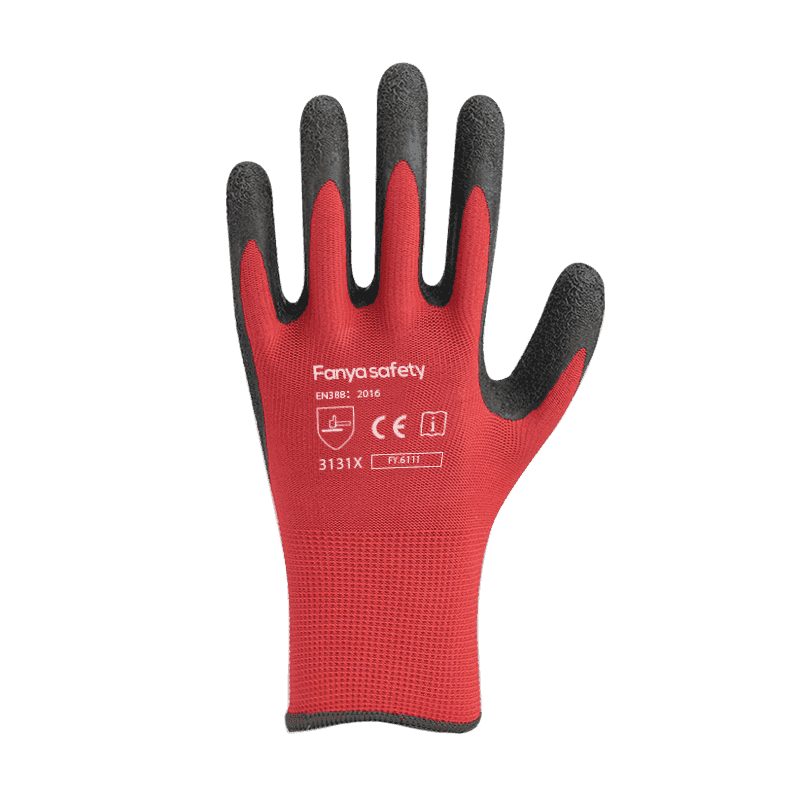
Per i lavoratori che si spostano dalla preparazione degli ingredienti al lavaggio dei piatti, Guanti rivestiti in nitrile con fodera in bambù 13G combina la traspirabilità di una fodera in fibra naturale con la resistenza all'olio del nitrile, che copre la maggior parte dei compiti misti in cucina.
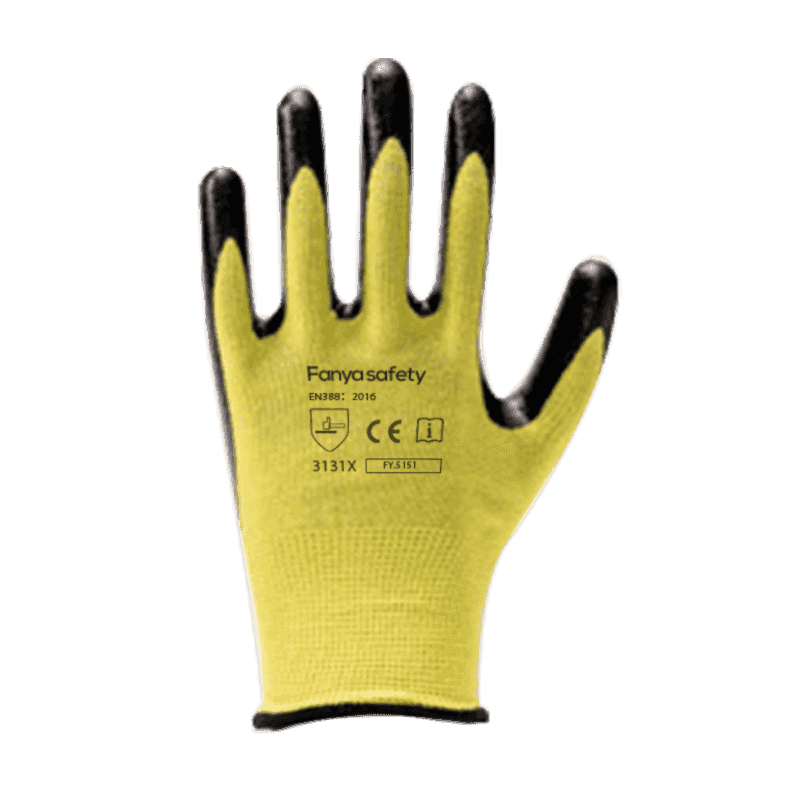 Fodera in bambù personalizzata 13G con rivestimento in nitrile Fornitori, Azienda - Jiangsu Fanya Jiangsu Fanya Labor Protective Products Co., Ltd è una fodera in bambù 13G personalizzata in Cina con fornitori e società di rivestimento in nitrile.Art.No.:FY.... Visualizza il prodotto →
 Sotto il rivestimento si trova la fodera, la parte in maglia che tocca la pelle. La fodera assorbe il sudore, determina il calore e nei guanti resistenti al taglio fornisce la protezione effettiva. Il numero scritto sulle specifiche di un guanto, come 13G o 18G, si riferisce alla finezza della macchina per maglieria.
Il calibro descrive quanti ferri da maglia vengono utilizzati per pollice di maglia. Un numero inferiore come 10G produce una maglia più spessa e più aperta; un numero più alto come 18G produce una maglia più fine e densa. Un calibro più alto significa una vestibilità più aderente e un migliore movimento delle dita, ma di solito una superficie leggermente meno resistente all'abrasione.
Per la pulizia approssimativa e il lavaggio delle stoviglie, un guanto 10G o 13G aggiunge ammortizzazione e durata. Per la preparazione del cibo e la manipolazione precisa, 15G o 18G offrono una soluzione molto più adatta. 21G è disponibile per compiti molto leggeri in cui chi lo indossa necessita di sensibilità quasi a mano nuda, solitamente con rivestimento in PU.
| Calibro | Densità della maglia | Vestirsi e sentirsi | Miglior utilizzo in cucina |
|---|---|---|---|
| 10G | Maglia spessa e aperta | Imbottito, spazioso | Pulizie grossolane, lavaggio pentole |
| 13G | Densità media | Confort equilibrato | La maggior parte delle attività di lavaggio e preparazione |
| 15G | Maglia fine e più stretta | Vestibilità più aderente | Preparazione del cibo, assemblaggio leggero |
| 18G e 21G | Molto fine, strettissimo | Sensazione quasi a mano nuda | Tritare fine, maneggiare con precisione |
Anche con il giusto materiale di rivestimento, la finitura superficiale determina la sicurezza della presa nell'uso reale. È qui che molti acquirenti di guanti da cucina commettono il secondo errore: confrontano solo i materiali e ignorano la struttura della superficie.
Un rivestimento liscio è il più comune e il meno costoso, ma su superfici bagnate o unte può sembrare scivoloso. Un rivestimento in schiuma contiene minuscole sacche d'aria che rompono il film d'acqua tra il guanto e l'oggetto, quindi la presa migliora proprio con le mani bagnate. Un rivestimento sabbioso ha una consistenza ruvida e granulosa che aderisce agli imballaggi asciutti e alle parti leggermente oleose senza essere rigido.
Il rivestimento completo copre il palmo, le dita e il dorso della mano, massimizzando la protezione ma riducendo il flusso d'aria. Il rivestimento a tre quarti lascia il dorso della mano e il polso scoperti, così il calore fuoriesce e la mano rimane più fresca durante le lunghe sessioni di preparazione. Il lavaggio delle stoviglie favorisce una copertura totale o estesa; il lavoro di preparazione veloce favorisce la copertura di tre quarti.
In termini pratici, una stazione di lavaggio con acqua calda e vetrerie scivolose non dovrebbe mai utilizzare guanti a rivestimento liscio. Specifica texture in schiuma o sabbia per lavori bagnati e mantieni PU liscio per lavori di precisione a secco come la placcatura o lo smistamento degli ingredienti.
Il taglio delle verdure, la rifinitura della carne e il lavoro con la mandolina sono i luoghi in cui si verificano la maggior parte degli infortuni alle mani nelle cucine professionali. I dati sugli infortuni pubblicati dal Bureau of Labor Statistics degli Stati Uniti mostrano che circa un quarto degli infortuni sul lavoro coinvolgono la mano, il polso o le dita e gran parte di questi incidenti si verificano durante la preparazione del cibo. Contrariamente a quanto credono alcuni acquirenti, un guanto da cucina resistente al taglio non è costruito come un guanto per la pulizia generale: è una fodera in maglia rinforzata con fibre resistenti e viene aggiunto un rivestimento solo per dargli presa.
L'HPPE, o polietilene ad alte prestazioni, è la fibra di base utilizzata nei moderni rivestimenti resistenti al taglio per il suo rapporto resistenza/peso. Nelle versioni più resistenti, alla miscela viene aggiunta fibra di vetro o filo metallico sottile. Per l'uso in cucina, l'opzione più pratica è un rivestimento in HPPE con rivestimento antiscivolo, perché protegge le mani consentendo alle dita di muoversi liberamente durante i tagli ripetuti.
Nessun guanto può eliminare completamente le lesioni da coltello. I guanti resistenti al taglio riducono la gravità degli scivolamenti e forniscono una protezione preziosa durante le attività di taglio ripetitive, ma non resistono alla perforazione da aghi o lame appuntite sottili. Devono essere abbinati ad attente abilità con i coltelli, lame affilate e superfici di taglio adeguate. Per uno sguardo più approfondito alle strutture delle fibre e a ciò che i produttori effettivamente incorporano in questi rivestimenti, leggi il nostro guida completa ai guanti resistenti al taglio .
Un modello pratico per le cucine commerciali è un rivestimento in fibra di vetro HPPE 13G con rivestimento in nitrile espanso , che combina la protezione dal taglio del rivestimento in fibra con la presa sul bagnato della schiuma di nitrile per il lavoro con i coltelli.
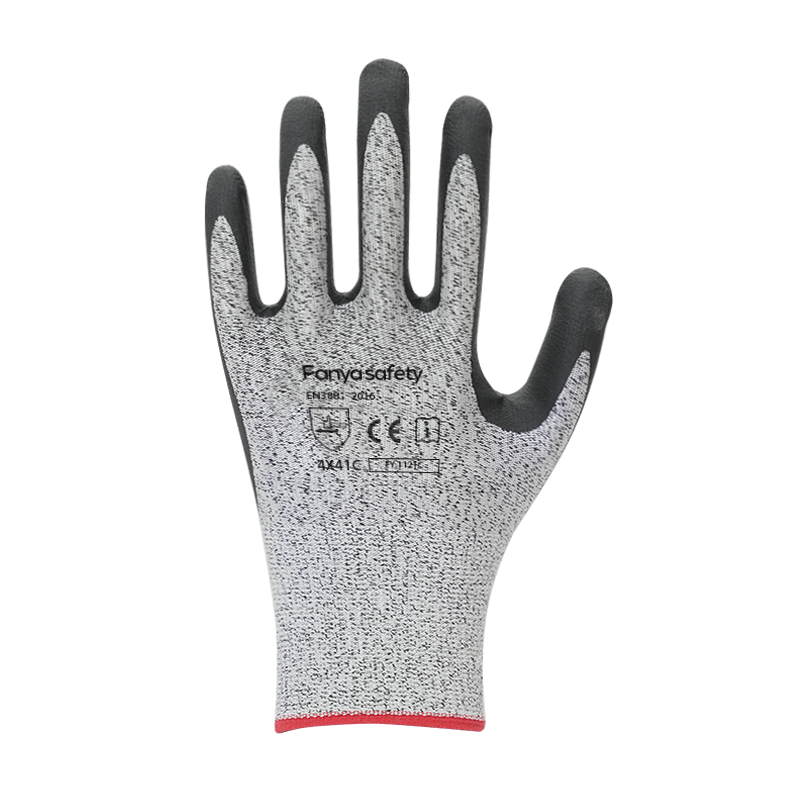 Fodera personalizzata in HPPE/fibra di vetro 13G con rivestimento in schiuma di nitrile Fornitori, Azienda - Jiangsu Fanya Labor Protective Products Co., Ltd è un rivestimento in fibra di vetro/HPPE 13G personalizzato in Cina con fornitori di rivestimento in schiuma di nitrile e comp... Visualizza il prodotto →
 Il rivestimento e la fodera migliori sono inutili se il guanto non si adatta. Un guanto largo riduce la destrezza, stanca la mano più velocemente e aumenta la possibilità di impigliarsi nell'attrezzatura o nei contenitori del cibo. Un guanto troppo stretto limita il flusso sanguigno e fa male alla mano durante un lungo turno.
Per misurare correttamente, misurare la circonferenza del palmo attorno alle nocche, escluso il pollice. Le taglie standard nel settore vanno dalla S alla XL, con circonferenze del palmo di circa 18-19 centimetri per la S, da 20 a 21 centimetri per M, da 22 a 23 centimetri per L e da 24 a 25 centimetri per XL. Un guanto da cucina rivestito dovrebbe risultare aderente sul palmo senza tessuto allentato sulla punta delle dita.
| Dimensioni | Circonferenza del palmo | Sensazione della mano |
|---|---|---|
| S | 18-19 cm | Aderente al palmo e alle dita |
| M | 20-21 cm | Nessun tessuto sciolto a portata di mano |
| L | 22-23 cm | Solido sul palmo |
| XL | 24-25 cm | Comodo, non costrittivo |
La chiusura del polso è il dettaglio che gli acquirenti trascurano maggiormente. Un polso in maglia mantiene il guanto in posizione durante la preparazione e lascia fuoriuscire l'aria, mentre un polsino arrotolato o un guanto più lungo impediscono all'acqua di scorrere lungo il braccio durante il lavaggio. Per lavori igienico-sanitari pesanti, una chiusura elastica o di fissaggio impedisce l'ingresso di detriti. Prima di effettuare un ordine all'ingrosso, chiedere ai lavoratori di indossare il campione per cinque-dieci minuti tenendo in mano gli articoli bagnati e asciutti. Questo breve test rivela più di qualsiasi tabella delle taglie.
Se le informazioni di cui sopra ti sembrano troppe, usa questa sequenza decisionale compatta. Comprime la scelta del materiale, la scelta del rivestimento e il controllo dell'adattamento in un processo ripetibile.
Per gli acquirenti che necessitano di standardizzare su più stazioni, un approccio semplice consiste nel limitare la gamma a due modelli: un guanto 13G rivestito in lattice o nitrile per il lavaggio e un guanto HPPE resistente al taglio con rivestimento antiscivolo per il lavoro con i coltelli. Ciò mantiene le scorte basse coprendo la maggior parte dei rischi in cucina.
Per ristoranti, fornitori di catering, imprese di pulizia e distributori, il percorso più veloce verso un programma di guanti affidabile è approvvigionarsi direttamente da una fabbrica che controlla l'intera catena di produzione. Quando la fodera, il rivestimento e la finitura del polso provengono dalla stessa struttura, la qualità rimane costante da un ordine all'altro.
Jiangsu Fanya Labor Protective Products Co., Ltd. produce guanti da lavoro rivestiti nel proprio stabilimento nella contea di Rudong, Jiangsu, a circa due ore da Shanghai. La struttura è operativa 17 linee di produzione automatizzate , due laboratori di maglieria e un laboratorio di cucito, quindi il guanto completo è realizzato sotto lo stesso tetto. La capacità annuale raggiunge 5 milioni di dozzine di paia , con circa l'80% della produzione esportata. Questa quota di esportazioni significa che gli acquirenti esteri non sono un’attività secondaria ma il fulcro dell’operazione.
La personalizzazione è il vantaggio principale di trattare direttamente con il produttore. La stessa fodera in maglia può essere accoppiata con rivestimenti in lattice, nitrile, PU, PVC, sabbia o PU a base acqua; l'indicatore può variare da 10G a 21G; e le strutture TPR aggiungono protezione dagli impatti per l'area delle nocche. Se un prodotto a catalogo non corrisponde al lavoro, la fabbrica può modificare la miscela di fibre, la copertura del rivestimento, lo stile del polsino o persino la confezione. Prima di specificare un ordine di grandi dimensioni, vale la pena leggere la nostra panoramica da cosa proteggono effettivamente i guanti da lavoro quindi i requisiti tecnici corrispondono ai pericoli reali.
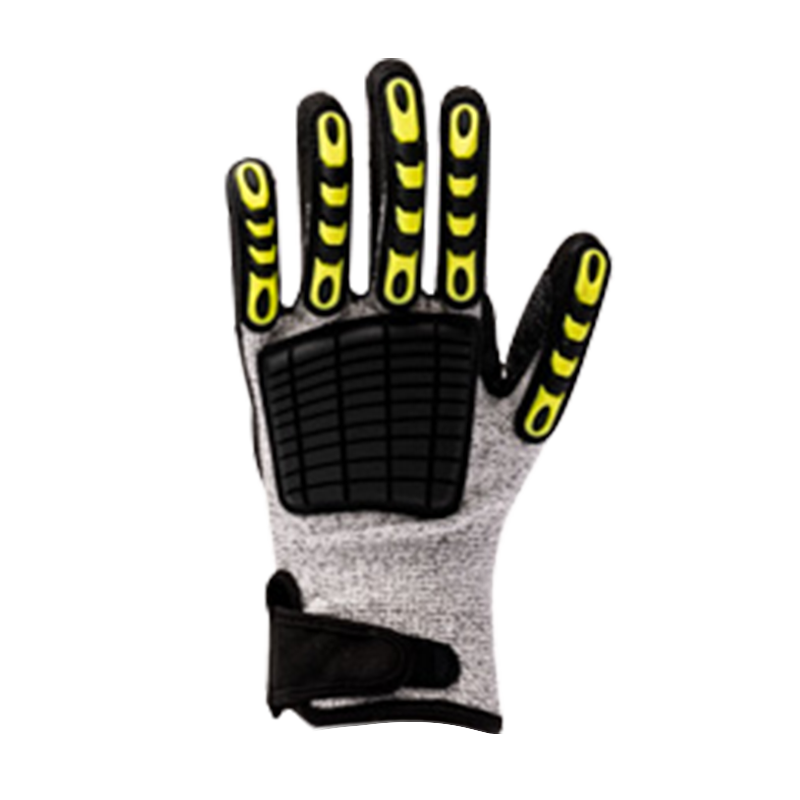
Per lavori di pulizia e manutenzione che coinvolgono superfici dure e attrezzature in movimento, Guanti in TPR con protezione dagli impatti sul dorso della mano vale la pena esaminarli come aggiunta al programma DPI da cucina. Gli acquirenti che riordinano lo stesso SKU di guanto da cucina devono prestare attenzione alla tensione della fodera e allo spessore del rivestimento; una fabbrica che possiede le sue macchine per maglieria può mantenere stabili queste variabili, il che è esattamente ciò che rende prevedibili gli ordini ripetuti.
Lattice e nitrile sono le due scelte pratiche. Il lattice conferisce ottima presa sul bagnato ed elasticità; il nitrile resiste agli oli e non solleva problemi di allergia al lattice. Scegli il lattice per lavaggi leggeri e il nitrile quando le mani toccano anche pentole unte o prodotti chimici per la pulizia.
Non in modo efficace. I guanti da taglio sono realizzati a maglia con fibre dense che trattengono l'acqua e si asciugano lentamente, e il loro rivestimento è progettato per la presa piuttosto che per una lunga esposizione all'acqua. Utilizzare un guanto resistente al taglio per il taglio e un paio separato di lattice o nitrile per il lavaggio.
13G indica il calibro della macchina per maglieria, circa 13 aghi per pollice. Produce una fodera che bilancia durata, traspirabilità e destrezza delle dita, motivo per cui il 13G è presente nella maggior parte dei guanti da cucina rivestiti utilizzati per il lavaggio e la preparazione generale.
In una cucina professionale, un guanto rivestito in lattice o nitrile utilizzato quotidianamente dura in genere dai due ai sei mesi prima che si verifichino segni di usura o fori di spillo. Ispezionare l'interno per verificare che non entri acqua e che il rivestimento non si sfaldi e sostituire immediatamente la coppia quando appare.
Il guanto deve essere aderente sul palmo senza tessuto extra sulla punta delle dita, ma non abbastanza stretto da limitare il flusso sanguigno. Misura la circonferenza del palmo attorno alle nocche e utilizza la tabella delle taglie del fornitore per trovare la corrispondenza.
Un guanto 13G rivestito in nitrile è adatto per pulizie e preparazioni leggere, ma paia dedicate sono più sicure. Prepara il cibo con un guanto che rimane asciutto e pulito all'esterno, quindi passa a un guanto da lavaggio con un polsino più lungo una volta che il compito cambia.
Raccomandazione finale: La scelta dei guanti per il lavoro in cucina dipende dal compito, dal rivestimento e dalla vestibilità. Inizia separando lavaggio, preparazione e taglio in diverse categorie di guanti. Quindi lascia che il rivestimento si adatti alle superfici che tocchi e che il rivestimento corrisponda alla destrezza di cui hai bisogno. Se acquisti in grandi quantità, lavorare con un produttore che controlla internamente la lavorazione a maglia e il rivestimento ti offre il percorso più semplice per un programma di guanti coerente e personalizzato.
Come scegliere i guanti in nitrile arancione: spiegazione di materiali, rivestimenti e aderenza
Guida ai colori dei guanti: significati, suggerimenti per la selezione e opzioni personalizzate per i guanti da lavoro
Il tuo indirizzo email non sarà pubblicato. I campi obbligatori sono contrassegnati *
Puoi contattarmi usando questo modulo.